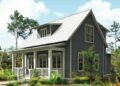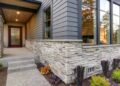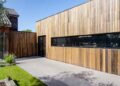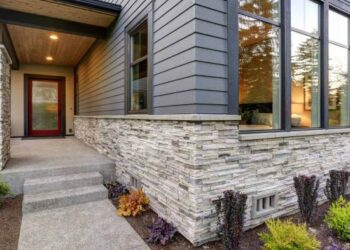

Immerse yourself in the world of natural wood siding houses, where environmental benefits meet durability and aesthetic appeal. Discover the charm of these homes that stand out with their unique characteristics and timeless elegance.
Benefits of Natural Wood Siding

Using natural wood siding for your house not only provides a beautiful and timeless look but also offers several environmental and practical benefits.
Environmental Benefits
- Natural wood siding is a renewable resource, making it a more sustainable choice compared to other materials like vinyl or aluminum.
- Wood siding has a lower carbon footprint than synthetic materials, as trees absorb carbon dioxide during their growth.
- Wood siding is biodegradable and can be recycled, reducing waste and environmental impact.
Durability of Natural Wood Siding
- Natural wood siding is known for its durability, with proper maintenance and care, it can last for decades.
- Wood siding can withstand various weather conditions, including extreme heat, cold, and moisture, making it a reliable choice for long-term protection.
- Wood siding is resistant to impact and can be easily repaired if damaged, extending the lifespan of your home's exterior.
Aesthetic Appeal of Natural Wood Siding House
- Natural wood siding adds a warm and inviting look to a house, creating a cozy and welcoming atmosphere.
- The natural grain and texture of wood provide a unique and rustic charm that enhances the overall curb appeal of your home.
- Wood siding can be stained or painted in various colors, allowing for customization and personalization to suit your style and preferences.
Types of Wood Species for Siding
When it comes to natural wood siding, there are various wood species to choose from, each with its own unique characteristics that can impact the overall look of your house.
Popular Wood Species for Siding
- Cedar: Known for its durability and resistance to decay, cedar is a popular choice for siding. It has a beautiful grain pattern and can be left untreated to weather naturally.
- Pine: Pine is a cost-effective option for siding and is easy to work with. It can be stained or painted to achieve different looks.
- Spruce: Spruce is another affordable option for siding. It is lightweight and easy to install, making it a popular choice for DIY projects.
Differences Between Softwood and Hardwood Options
Softwood species like cedar, pine, and spruce are typically more affordable and easier to work with compared to hardwood options. Hardwood species, such as redwood or oak, are more durable and resistant to rot, but come at a higher price point.
Impact of Different Wood Species on the Overall Look
The choice of wood species can greatly impact the aesthetic of your home. Cedar siding, for example, can give a more rustic and natural look, while pine siding can be painted to achieve a more modern or traditional appearance. Consider the style and character you want to achieve when selecting the right wood species for your siding project.
Maintenance and Care Tips
Proper maintenance is essential to ensure the longevity and beauty of natural wood siding. By following these tips, you can protect your siding from the elements and keep it looking its best for years to come.
Regular Inspections and Repairs
- Inspect your wood siding at least once a year for any signs of damage, such as cracks, rot, or insect infestations.
- Address any issues promptly to prevent further damage and maintain the structural integrity of your siding.
- Consider hiring a professional to conduct a thorough inspection every few years to catch any potential problems early on.
Protecting from Moisture and Pests
- Ensure proper drainage around your home to prevent water from pooling near the siding, which can lead to rot and mold growth.
- Seal any gaps or cracks in the siding to prevent moisture from seeping in and causing damage.
- Apply a quality wood preservative or sealant to protect the wood from pests, such as termites and wood-boring insects.
Cleaning and Maintenance
- Regularly clean your wood siding with a mild detergent and water to remove dirt, grime, and mildew.
- Avoid using high-pressure washers, as they can damage the wood fibers and finish of the siding.
- Consider applying a fresh coat of paint or stain every few years to enhance the appearance and protect the wood from UV rays and moisture.
Installation Process
Installing natural wood siding on a house involves several steps to ensure a successful and long-lasting outcome. Proper insulation and weatherproofing are crucial during the installation process to protect the siding from the elements and ensure its durability.
Tools and Materials Required
- Hammer
- Nails
- Saw
- Level
- Tape Measure
- Housewrap
- Flashing
- Caulk
Installation Steps
- Prepare the surface: Ensure the surface is clean, dry, and free of any debris before installation.
- Install housewrap: Apply housewrap to provide an additional layer of protection against moisture.
- Start from the bottom: Begin installing the wood siding from the bottom up, making sure each piece overlaps the one below it.
- Secure the siding: Use nails to secure the siding in place, making sure to leave room for expansion and contraction.
- Add flashing: Install flashing around windows, doors, and corners to prevent water infiltration.
- Apply caulk: Seal any gaps or joints with caulk to further prevent water penetration.
- Finish with trim: Complete the installation by adding trim pieces around windows, doors, and corners for a polished look.
Tips for Proper Insulation and Weatherproofing
- Ensure the siding is properly sealed to prevent water damage and increase energy efficiency.
- Use quality materials and tools to ensure a secure and long-lasting installation.
- Follow manufacturer guidelines for proper installation techniques to avoid common pitfalls.
- Regularly inspect and maintain the wood siding to address any issues promptly and extend its lifespan.
Concluding Remarks
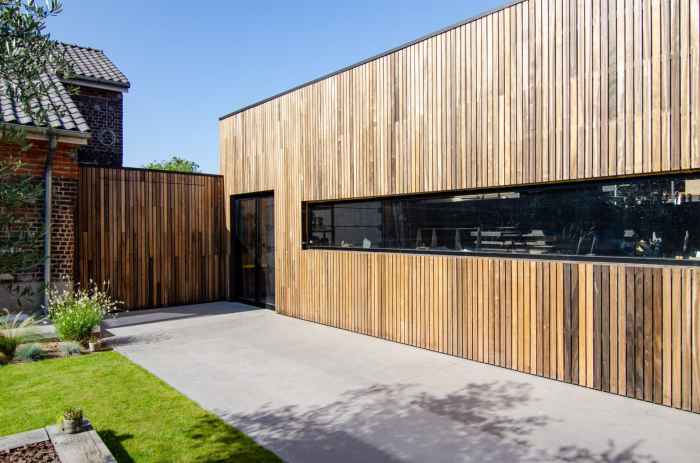
As we conclude our journey through the realm of natural wood siding houses, we are reminded of the harmonious blend of nature and architecture. These homes not only offer a sustainable and visually pleasing option but also require care and attention to preserve their beauty for years to come.
Questions Often Asked
How often should natural wood siding be repainted?
It is recommended to repaint natural wood siding every 5-7 years to maintain its appearance and protect it from the elements.
Can natural wood siding withstand harsh weather conditions?
With proper maintenance and care, natural wood siding can withstand various weather conditions, but it may require additional protection in extreme climates.
Is natural wood siding resistant to pests?
While natural wood siding is generally more susceptible to pests compared to other materials, regular inspections and treatments can help prevent infestations.