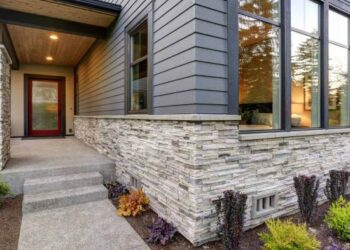

Diving into the world of tile siding exterior, this introduction aims to captivate readers with a detailed yet intriguing look at this versatile building material. From its purpose to the various design options available, get ready to discover the wonders of tile siding for your exterior needs.
As we delve deeper, we will uncover the installation process, maintenance tips, and design possibilities that make tile siding a top choice for enhancing the aesthetics of any building's exterior.
Introduction to Tile Siding Exterior
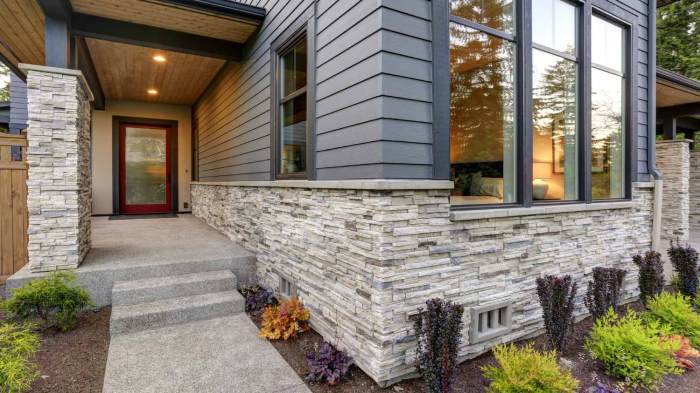
Tile siding exterior is a type of cladding or covering used on the outer walls of buildings to provide protection against the elements and enhance the aesthetic appeal of the structure. It is made up of individual tiles or panels that are installed on the exterior surface of the building.
Materials commonly used for Tile Siding Exterior
Tile siding can be crafted from a variety of materials, each with its own unique characteristics and benefits. Some common materials used for tile siding exterior include:
- Ceramic: Durable and resistant to fire, moisture, and pests.
- Natural stone: Adds a luxurious and elegant look to the building.
- Fiber cement: Low maintenance and available in a wide range of colors and styles.
- Composite: Mix of materials like wood fibers and polymers for a durable and eco-friendly option.
Benefits of using Tile Siding on the Exterior of a Building
There are several advantages to using tile siding on the exterior of a building, such as:
- Weather resistance: Tile siding provides a protective barrier against harsh weather conditions, prolonging the life of the building.
- Aesthetic appeal: With a variety of materials and styles available, tile siding can enhance the visual appeal of the building and increase its value.
- Durability: Many tile siding materials are durable and long-lasting, reducing the need for frequent maintenance and replacement.
- Energy efficiency: Some types of tile siding offer insulation properties, helping to regulate indoor temperature and reduce energy costs.
Installation Process
When it comes to installing tile siding on the exterior of a building, there are several important steps to follow to ensure a successful outcome. From preparation to finishing touches, each phase plays a crucial role in the overall installation process.
Preparation
Before starting the installation, it is essential to prepare the surface where the tile siding will be applied. This includes cleaning the area thoroughly, removing any existing siding or debris, and ensuring that the surface is smooth and level. Proper preparation is key to ensuring that the tile siding adheres correctly and lasts for years to come.
Installation Methods
There are different methods of installing tile siding, with horizontal and vertical installation being the most common. Horizontal installation involves placing the tiles side by side, creating a traditional look that is easy to achieve. On the other hand, vertical installation involves stacking the tiles on top of each other, creating a modern and unique aesthetic.
The choice between horizontal and vertical installation will depend on the desired look and style of the building.
Tools and Equipment
To successfully install tile siding, you will need a variety of tools and equipment. This includes a saw for cutting the tiles to size, a level to ensure they are installed straight, a trowel for applying adhesive, and a rubber mallet for tapping the tiles into place.
Additionally, safety equipment such as gloves and goggles should be worn to protect yourself during the installation process.
Maintenance and Care
Proper maintenance of tile siding exterior is essential to ensure its longevity and preserve its appearance. By following some simple tips and addressing common issues promptly, you can keep your tile siding looking great for years to come
Cleaning and Preservation
- Regularly clean the tile siding with a mild detergent and water to remove dirt, grime, and other build-up.
- Avoid using harsh chemicals or abrasive cleaners that can damage the surface of the tiles.
- Rinse the siding thoroughly after cleaning to prevent any residue from causing discoloration or stains.
- Inspect the grout lines between the tiles and repair any cracks or damage to prevent water infiltration and further deterioration.
- Apply a sealant to the tile siding periodically to protect it from moisture and UV exposure, enhancing its durability.
Common Issues and Solutions
- Cracked or chipped tiles: Replace damaged tiles promptly to prevent water damage and maintain the integrity of the siding.
- Mold or mildew growth: Clean affected areas with a solution of water and vinegar to remove mold and prevent regrowth.
- Fading or discoloration: Consider applying a UV-resistant coating to the tile siding to protect it from sun damage and maintain its color.
- Loose or missing grout: Reapply grout to secure the tiles in place and prevent moisture from seeping behind the siding.
- Pest infestations: Inspect the tile siding regularly for signs of pests and address any issues promptly to prevent damage to the siding.
Design Options
When it comes to tile siding, there are a plethora of design options to choose from. The versatility of tile siding allows for a wide range of colors, patterns, and textures to be incorporated into the exterior of a building.
This can greatly enhance the aesthetic appeal of the structure and add a unique touch to the overall design.
Color Selection
- One of the key design elements of tile siding is the color selection. Whether you prefer a bold and vibrant hue to make a statement or a more subtle and neutral tone for a timeless look, the choice of color can significantly impact the overall appearance of the building.
- Consider the existing color scheme of the surroundings and the architectural style of the building when selecting the color for tile siding.
Pattern Choices
- Patterns can add depth and visual interest to the exterior of a building. From classic brick patterns to modern geometric designs, the possibilities are endless when it comes to incorporating patterns into tile siding.
- Experiment with different pattern options to create a unique and eye-catching look that complements the overall design of the building.
Texture Variations
- Texture variations in tile siding can create a tactile experience and add dimension to the exterior of a building. Whether you prefer a smooth finish for a sleek look or a textured finish for a more rustic appeal, the choice of texture can help achieve the desired aesthetic.
- Explore different texture options to find the perfect balance between visual appeal and functionality for your building's exterior.
Closure
In conclusion, tile siding exterior offers a mix of functionality and style that can transform any building into a work of art. With proper care and attention to design, this versatile material is sure to stand the test of time and elevate the beauty of your exterior space.
Helpful Answers
What are some common materials used for tile siding exterior?
Common materials include ceramic, porcelain, and stone tiles.
How can I maintain the longevity of tile siding exterior?
Regular cleaning and inspections can help maintain tile siding's longevity.
What design options are available for tile siding exterior?
You can choose from various colors, patterns, and textures to customize your exterior look.