
Embark on a journey to transform your home with a siding remodel. Discover the benefits, explore design ideas, and unravel cost considerations in this detailed guide.
Learn about the different types of siding materials and how they can enhance your property's value and energy efficiency.
Benefits of Siding Remodel
Updating the siding on a property can bring numerous benefits that go beyond just aesthetic improvements. Let's explore some of the advantages of investing in a siding remodel.
Improved Energy Efficiency
One of the key benefits of updating siding is the potential for improved energy efficiency. New siding can better insulate a property, reducing heat loss in the winter and keeping the interior cooler in the summer. This can lead to lower energy bills and a more comfortable living environment year-round.
Increase in Property Value
Another significant advantage of a siding remodel is the potential increase in property value. High-quality siding can enhance the curb appeal of a home, making it more attractive to potential buyers. This can result in a higher resale value and a quicker sale when the time comes to put the property on the market.
Types of Siding Materials
When considering a siding remodel, it's important to explore the various types of siding materials available on the market. Each material comes with its own set of benefits and considerations, so let's take a closer look at the most common options.
Vinyl Siding
Vinyl siding is a popular choice due to its affordability and low maintenance requirements. It is durable, resistant to rot and pests, and comes in a wide range of colors and styles. However, extreme temperatures can cause vinyl to warp or crack over time.
Wood Siding
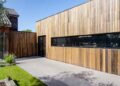
Wood siding offers a timeless and natural look that many homeowners love. It can be painted or stained to match your aesthetic preferences. While wood siding is durable and can last for many years with proper maintenance, it is susceptible to rot, pests, and requires regular staining or painting to maintain its appearance.
Fiber Cement Siding
Fiber cement siding is a versatile option that mimics the look of wood or masonry at a lower cost. It is durable, fire-resistant, and low maintenance. However, it can be heavy to install and may require special tools.
Metal Siding
Metal siding, such as aluminum or steel, is known for its durability and resistance to weather elements. It is lightweight, easy to install, and requires minimal maintenance. However, metal siding can dent easily and may not offer as much insulation as other materials.Consider the climate, maintenance requirements, and overall look you desire when selecting the right siding material for your remodel project.
Siding Remodel Design Ideas
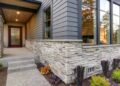
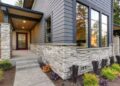
When it comes to modernizing the exterior of a home with new siding, there are several creative design ideas to consider. One key aspect is choosing a siding color that complements the overall aesthetic of the house. Additionally, mixing different siding materials can help create visual interest and texture for a more dynamic look.
Choosing the Right Siding Color
When selecting a siding color, it's essential to consider the existing color palette of your home. Opt for a color that enhances the architectural features and blends well with the surroundings. Neutral tones like beige, gray, or white are versatile options that can give a timeless appeal.
On the other hand, bold colors like blue or red can make a statement and add a pop of personality to the exterior.
Mixing Siding Materials for Visual Interest
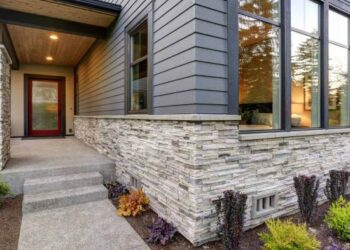
Combining different siding materials such as vinyl, wood, stone, or fiber cement can add depth and texture to the facade
Mixing horizontal and vertical siding can also add visual interest and modernize the overall appearance of the home.
Cost Considerations for Siding Remodel
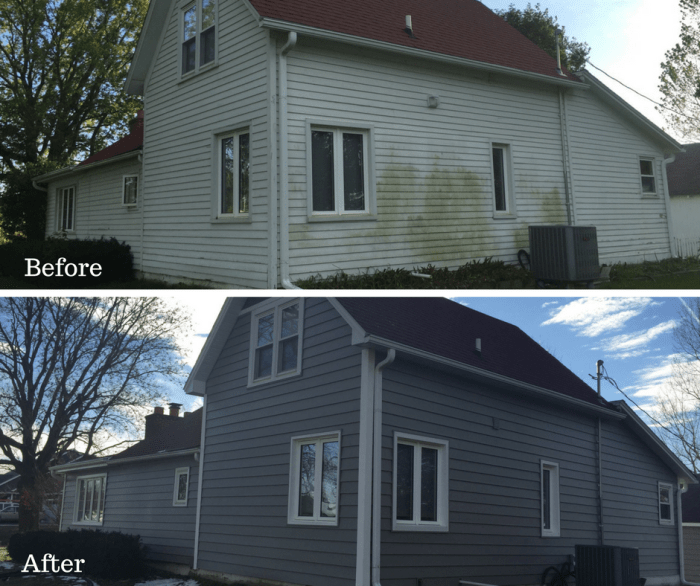
When planning a siding remodel project, it is essential to consider the costs involved to ensure a successful renovation within your budget. Here, we will break down the typical costs, share tips on effective budgeting, and discuss the cost-effectiveness of DIY installation versus hiring professionals.
Breakdown of Typical Costs
- Materials: The cost of siding materials can vary depending on the type chosen, with options like vinyl, wood, fiber cement, and metal. Prices typically range from $3 to $10 per square foot.
- Labor: Hiring professionals for installation can cost anywhere from $1,000 to $3,000, depending on the size of the project and the complexity of the design.
- Permits and Fees: Don't forget to budget for any necessary permits or fees required by your local municipality, which can add a few hundred dollars to your overall costs.
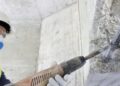
- Additional Costs: Factor in expenses for tools, equipment rentals, disposal of old materials, and any unexpected repairs that may arise during the renovation process.
Tips for Effective Budgeting
- Set a Realistic Budget: Determine how much you are willing to spend on the siding remodel and allocate funds accordingly to avoid overspending.
- Get Multiple Quotes: Compare quotes from different contractors to find the best deal that fits your budget without compromising quality.
- Plan for Contingencies: Add a buffer of 10-20% to your budget for unexpected expenses or changes in the project scope to avoid financial strain.
- Consider Long-Term Value: Investing in high-quality materials and professional installation may cost more upfront but can save you money in the long run with lower maintenance and energy efficiency.
DIY vs. Professional Installation
- DIY: While DIY installation can save you money on labor costs, it requires time, skills, and the right tools to ensure a proper and durable finish. Consider your capabilities and the complexity of the project before deciding to take on the installation yourself.
- Professional: Hiring experienced professionals may cost more, but it guarantees a professional finish, saves you time and effort, and reduces the risk of errors or issues that could lead to costly repairs in the future.
End of Discussion

In conclusion, a siding remodel not only elevates the aesthetic appeal of your home but also adds value and efficiency. Take the first step towards a refreshed exterior today.
Essential Questionnaire
Is siding remodel a good investment?
Yes, updating your siding can significantly increase your property's value and improve energy efficiency.
What type of siding material is the most durable?
Fiber cement siding is known for its durability and low maintenance requirements.
Can I install siding myself to save costs?
While DIY siding installation may seem cost-effective, hiring professionals ensures a quality finish and avoids potential mistakes.